Fly tying is an art that requires precision, patience, and the right materials. Among these, hackle—the long, fine feathers used to create the lifelike appendages of a fly—holds a pivotal role in achieving a successful tie.
For beginners, understanding the characteristics of quality hackle can make the difference between a fly that sits unused and one that becomes a mainstay in your tackle box. Below, we delve into the key aspects to look for in hackle supplies for those starting on their fly tying journey.
Selecting Quality Hackle for Fly Tying Beginners

When starting out, sourcing fly tying hackle of good quality can have a substantial impact on the ease of tying and the effectiveness of your flies. A quality feather will have a balance of suppleness and rigidity, allowing it to wrap cleanly around the hook while maintaining its shape in water.
For dry flies, seek hackle that when compressed, springs back to its original position. This resilience provides the necessary buoyancy on the water's surface. Moreover, the barbs should be evenly sized and dense along the stem, which indicates a higher grade feather.
Beginners should focus on purchasing hackle in a range of versatile colors like brown, grizzly, and dun. These shades offer a broad spectrum of applications and are a functional starting point. Select packs that show uniformity in color and texture, as this is a telltale sign of quality.
Understanding Hackle Types and Their Applications
Hackle comes in various forms, each tailored for different styles of flies. By understanding the types available, you can better match your hackle to your intended fly patterns.
Dry-fly hackle should possess stiff barbs with high floatation qualities, ideal for patterns that need to stay atop the water. Conversely, wet-fly hackle, with its softer and more pliant barbs, is designed to move gracefully under the surface mimicking the action of aquatic insects. Another variety, saddle hackle, features long, narrow feathers great for streamers and saltwater patterns.
To make informed choices, beginners should familiarize themselves with the specific applications by engaging with fly tying communities or scrutinizing popular fly patterns. This research will guide them in selecting the most suitable hackle type for the flies they intend to create.
Key Features to Evaluate When Purchasing Hackle
Apart from the type of hackle, several other features warrant careful evaluation. The quality of hackle is often reflected in its grading system—typically running from high (genetic) to low grades, with prices to match.
Another pivotal feature is the size range that the hackle can cover. Feathers should be long enough to tie a variety of fly sizes, particularly for beginners looking to experiment with different patterns. The barb density along the stem is equally important, affecting the overall look and function of the finished fly.
Aspiring tyers should aim for purchasing hackle materials from reputable suppliers known for their quality products. Look for hackle that is clean, free of pests, and has been properly stored to ensure you get the best value for your investment. fly tying hackle
Maintaining Your Hackle Supplies for Longevity and Performance
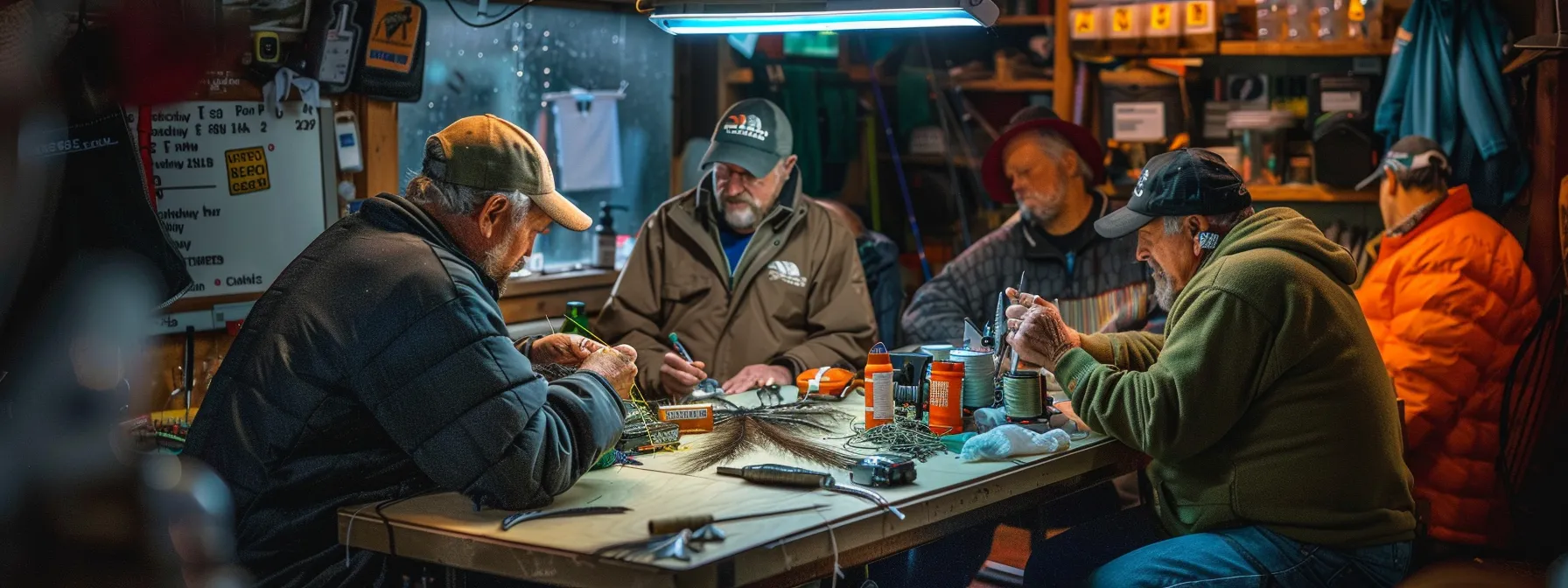
Investing in quality hackle is only the first step; maintaining it ensures its longevity and performance. Proper storage is essential—hackle should be kept in a cool, dry place, away from direct sunlight which can fade the colors over time.
Cleaning and inspecting the feathers regularly for signs of mold or mite infestation can prevent damage to your entire supply. If issues are found, segregate the affected hackle immediately and treat it with a mild insecticide specific to feather care.
Beginners are encouraged to handle hackle gently to preserve the structural integrity of the feathers. Use caution when removing them from packaging, and store them in organized containers that prevent crimping or tangling of the delicate fibers.
Ultimately, the nuances of choosing and caring for fly tying hackle can greatly influence your outcomes as a tyer. By selecting high-quality hackle, understanding its applications, evaluating key features, and maintaining your supplies, you can craft effective flies and enjoy the tying process. Success in fly tying is a blend of skill, patience, and good materials—start your journey equipped with the knowledge to choose wisely.

