When considering landscaping options, the choice between outdoor artificial trees and real trees can significantly impact the overall look and sustainability of your environment. Each option offers unique advantages and challenges that deserve careful examination.
Deciding which type of tree to integrate into your landscape requires understanding their lifespan, maintenance needs, cost-effectiveness, environmental impact, and aesthetic value. Below, we delve into these factors to help you make an informed decision.
Comparing Lifespan and Maintenance: Outdoor Artificial Trees vs Real Trees

Artificial trees offer the allure of minimal maintenance compared to their living counterparts. They do not require watering, pruning, or pest control, which can significantly reduce upkeep efforts and costs. This makes them a popular choice for areas where water is scarce or maintenance capacity is limited.
However, real trees have a dynamic lifespan that can extend for decades or even centuries, enhancing their appeal over time. They also contribute to the local ecosystem, providing oxygen and supporting wildlife—a factor not matched by artificial substitutes. To maintain their health and appearance, real trees do require regular care, including soil management and disease prevention.
For those weighing maintenance against longevity, outdoor artificial trees consider the local climate and your long-term landscaping goals. In regions with harsh weather, artificial trees might be more viable, whereas in more temperate areas, the benefits of real trees often outweigh the maintenance demands.
Analyzing Cost-Effectiveness Over Time for Landscaping Choices
Financial considerations are crucial when selecting between artificial and real trees. Initially, artificial trees may seem like a cost-effective option due to lower maintenance costs and longevity. For example, high-quality artificial trees can last 10-15 years without fading or significant wear.
Conversely, real trees, while potentially more expensive upfront due to planting and initial care, can add significant value to property over time. This is especially true for residential areas, where mature trees are known to enhance property values by 5% to 15%.
To assess the true cost-effectiveness of either option, calculate the long-term investment, including potential property value increases, against the initial and ongoing costs of maintenance. This analysis will reveal the more financially prudent choice for your specific situation.
Environmental Impact and Sustainability: Real Trees Versus Artificial Options
The environmental considerations between choosing real or artificial trees are starkly different. Artificial trees are often made from plastics and other materials that are not biodegradable, leading to potential environmental harm at the end of their life cycle.
Real trees, on the other hand, offer considerable environmental benefits. They absorb carbon dioxide, produce oxygen, and can help to reduce heating and cooling costs by providing natural shade and wind barriers. Moreover, sustainable tree farming practices ensure that the impact of using real trees is minimized or even beneficial over the long term.
For those who prioritize environmental sustainability, opting for real trees is generally the more responsible choice. However, it's important to source these trees from reputable nurseries that adhere to sustainable practices to maximize positive environmental impact.
Aesthetic Differences and Choosing What’s Right for Your Space
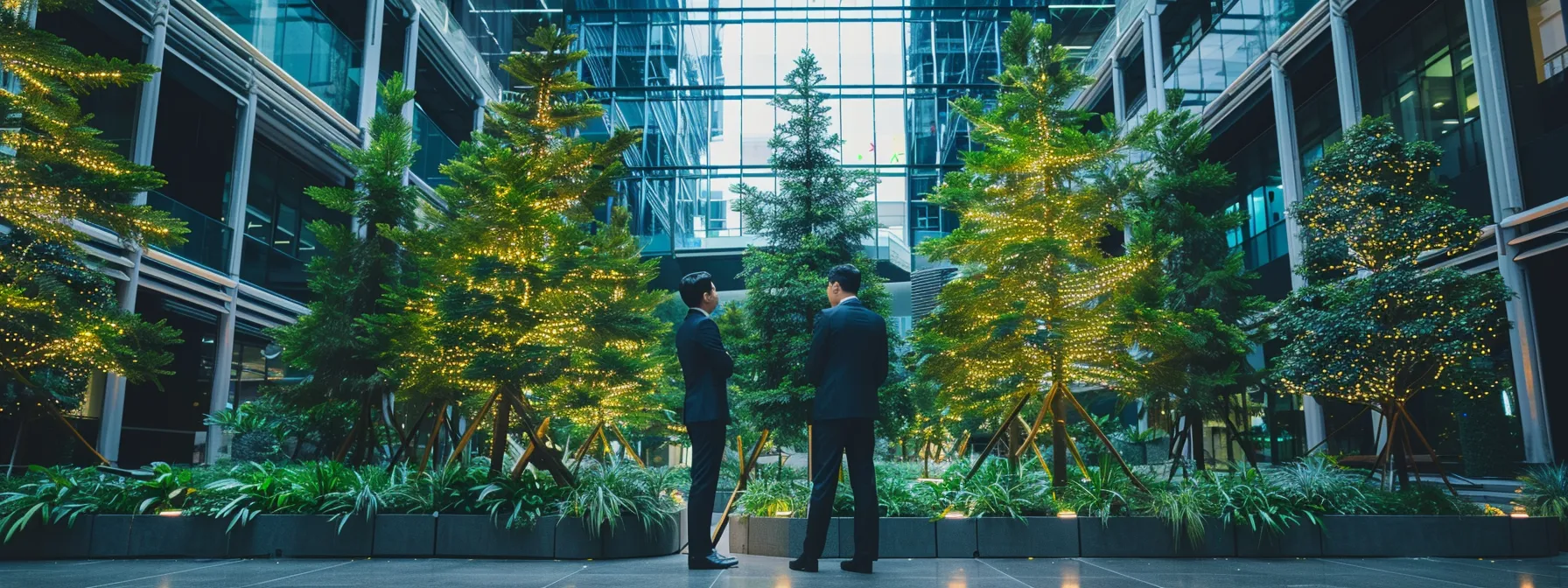
The aesthetic appeal of real trees versus artificial trees can vary greatly depending on the intended use and setting. Real trees offer a natural look that can enhance the beauty of outdoor spaces with their authentic textures and colors that change with the seasons.
Artificial trees, while sometimes less realistic, provide consistency in appearance and can be particularly useful in environments where maintenance is impractical or weather conditions would be too harsh for real trees. They are available in a variety of styles and can cater to specific design needs without the unpredictability of living trees.
Ultimately, when choosing between real and artificial trees based on aesthetics, consider the overall design theme of your space. Whether you desire a vibrant, changing landscape or a controlled, stylized setting will guide your decision effectively.
Overall, the decision between outdoor artificial trees and real trees involves a complex evaluation of maintenance, cost-effectiveness, environmental impact, and aesthetic value. By considering the specific needs and conditions of your property, you can select the option that not only beautifies your space but also aligns with your broader landscaping goals and values.

